
INVERTER GENERATOR
Honda EU2200i
Fuel when you need it
1,800 W rated · Gasoline
Read the product feature →Research-based · No hands-on test FOR LIFE BEYOND THE HOOKUP

LESS GUESSWORK. MORE OPEN ROAD.
Find the power that fits your kind of camping. Generators, batteries, and solar—explained for the miles between outlets.
A CLOSER LOOK AT THE GEAR
Clear specifications. Practical fit. The details worth checking before something earns a place in your RV.
INVERTER GENERATOR
Fuel when you need it
1,800 W rated · Gasoline
Read the product feature →Research-based · No hands-on test
PORTABLE POWER STATION
Pack light. Plug in.
1,024 Wh · 2,000 W AC rating
Read the product feature →Research-based · No hands-on test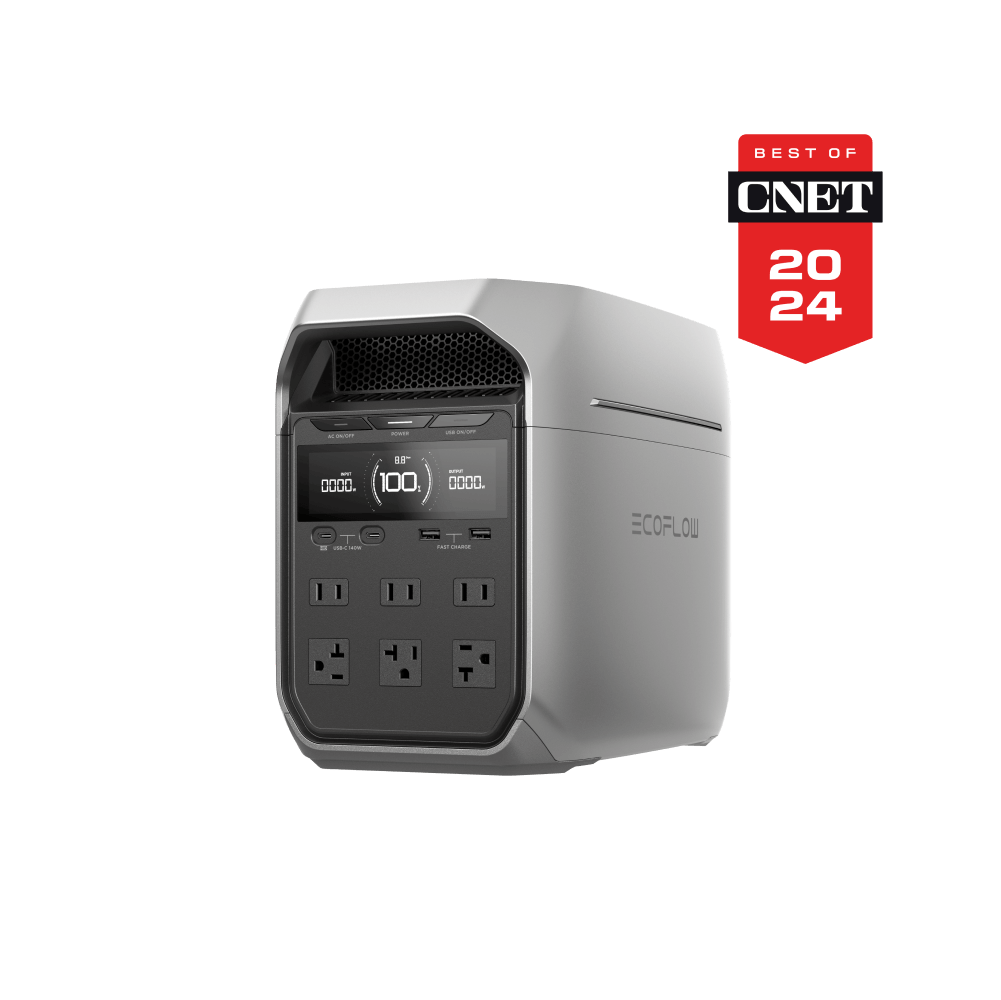
PORTABLE POWER STATION
Leave room to grow.
1,024 Wh · 1,800 W AC output
Read the product feature →Research-based · No hands-on testSTART WITH YOUR CAMPSITE
Watts tell you what can run. Watt-hours help tell you how long. Start with the things you use, then choose the setup that supports the day you want.
Compare battery power stations →Short, heavy loads and long, light loads need different kinds of planning. Make room for both.
Build your energy budget →THE PRACTICAL LIBRARY
Four guides to help you connect the dots before choosing equipment.
Running watts, starting demand, and the appliances that need your attention.
Read the sizing guide →Compare Honda, Yamaha, Champion, and budget alternatives.
Explore the generator shortlist →Capacity, output, and expansion across four portable power stations.
Compare power stations →How panels, batteries, and your daily energy budget work together.
Read the solar guide →YOUR CAMPING DAY, IN NUMBERS
Use measured or label values for your own devices. The entries below are editable examples, not appliance ratings.
About 8.7 hours at 85% usable energy.
Planning formulas: daily Wh = sum of average watts × hours. Nominal battery Wh = daily Wh × days ÷ usable fraction. Runtime = battery Wh × usable fraction ÷ steady watts. The 85% default is an illustrative allowance, not a tested efficiency claim. Inverter idle draw, temperature, battery age, and changing loads affect results. For cycling refrigerators, use measured daily consumption. These tools do not establish safe wiring or appliance compatibility.
CHOOSE FOR THE WAY YOU TRAVEL
List your essentials, charge before departure, and leave reserve for the second morning.
Explore a compact station →Think beyond the first full battery. Shade, weather, and generator hours shape your recharge plan.
Understand solar charging →Add the laptop, display, internet equipment, and a reserve for a cloudy afternoon.
Explore an expandable setup →ABOUT THE OUTFIT
Power Out There helps RV travelers make sense of portable power. We turn specifications into practical questions: what can it run, how long might it last, and what else belongs in the setup?
Our features use manufacturer information, linked so you can check the details. Our calculations show their assumptions. The aim is simple: help you choose with confidence and get back outside.